Load Balancers VS Proxies
Load balancers and proxies shape how traffic is routed through modern systems—deciding where requests go, how they get there, and how services stay reliable and secure. In this post, I’ll break down what each one is using with simple, digestible analogies.
What Is A Load Balancer?
A load balancer is a networking device or software application that sits in front of multiple servers and decides which server should handle each request. Its main job is to distribute traffic so that a single server doesn't get overwhelmed.
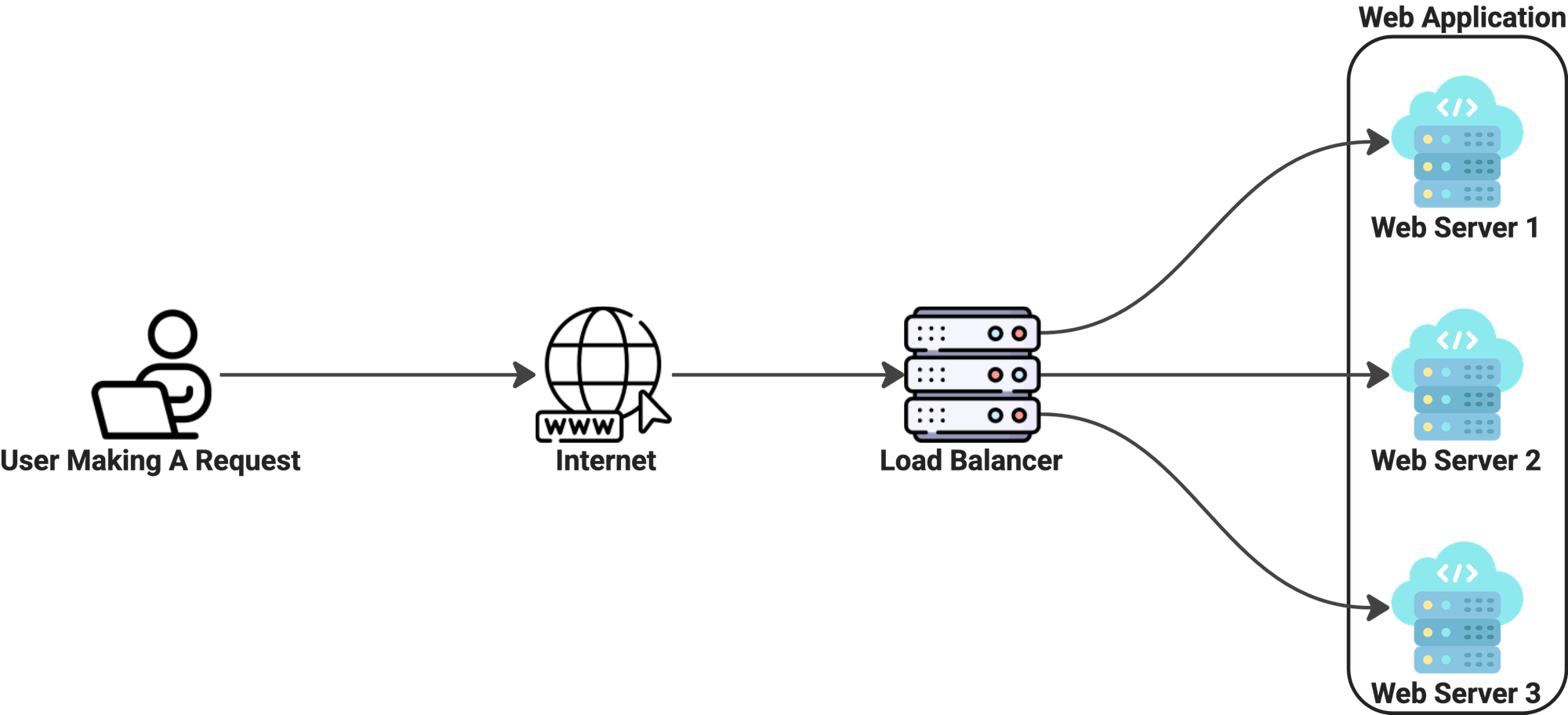
An Analogy
You can think of a load balancer like a checkout line attendant at grocery stores. They watch the checkout lanes (servers) and inform shoppers (requests) which one to go to.
- Shoppers arrive with carts (requests)
- The attendant directs each shopper to:
- The shortest line
- Or the next available lane
- If a lane closes (server failure), shoppers stop getting sent there
- Opening more lanes immediately increases capacity
Common Load Balancers
- AWS ALB NLB
- HAProxy
- F5
- Cirix Netscaler
What Is A Proxy?
A proxy, sometimes referred to as a forward proxy, is a type of server that handles a client's request by forwarding it to its destination. When it receives a request, the proxy connects to the server that can fulfill it for the client who wants it.

An Analogy
A proxy is like a personal assistant who makes requests on your behalf. You're extremely busy and need to make an appointment to get a haircut. You make the request to your personal assistant (Proxy). They use their cell phone (Internet) to reach out to the barbershop/hair salon (Destination) on your behalf .
Common Proxies
- Squid
- TinyProxy
- Privoxy
What is a Reverse Proxy
A reverse proxy receives requests from the Internet and forwards them to servers in an internal network, whereas a forward proxy receives client requests and forwards them to the Internet.

An Analogy
A reverse proxy is like a security guard at the entrance to a private facility. Users arrive through the main entrance (Internet). The guard (Reverse Proxy) checks who they are, where they are trying to go. Based on this information, the guard decides which internal area to send them to (Destination Server).
Common Reverse Proxies
- NGINX
- Traefik
- HAProxy
- Caddy
Conclusion
Load balancers and proxies often get lumped together, but they solve very different problems at different points in the request journey. Understanding where each one sits and what problem it’s solving will hopefully help you design better systems—and troubleshoot them more confidently when things go wrong.
Xavier Alexander Newsletter
Join the newsletter to receive the latest updates in your inbox.